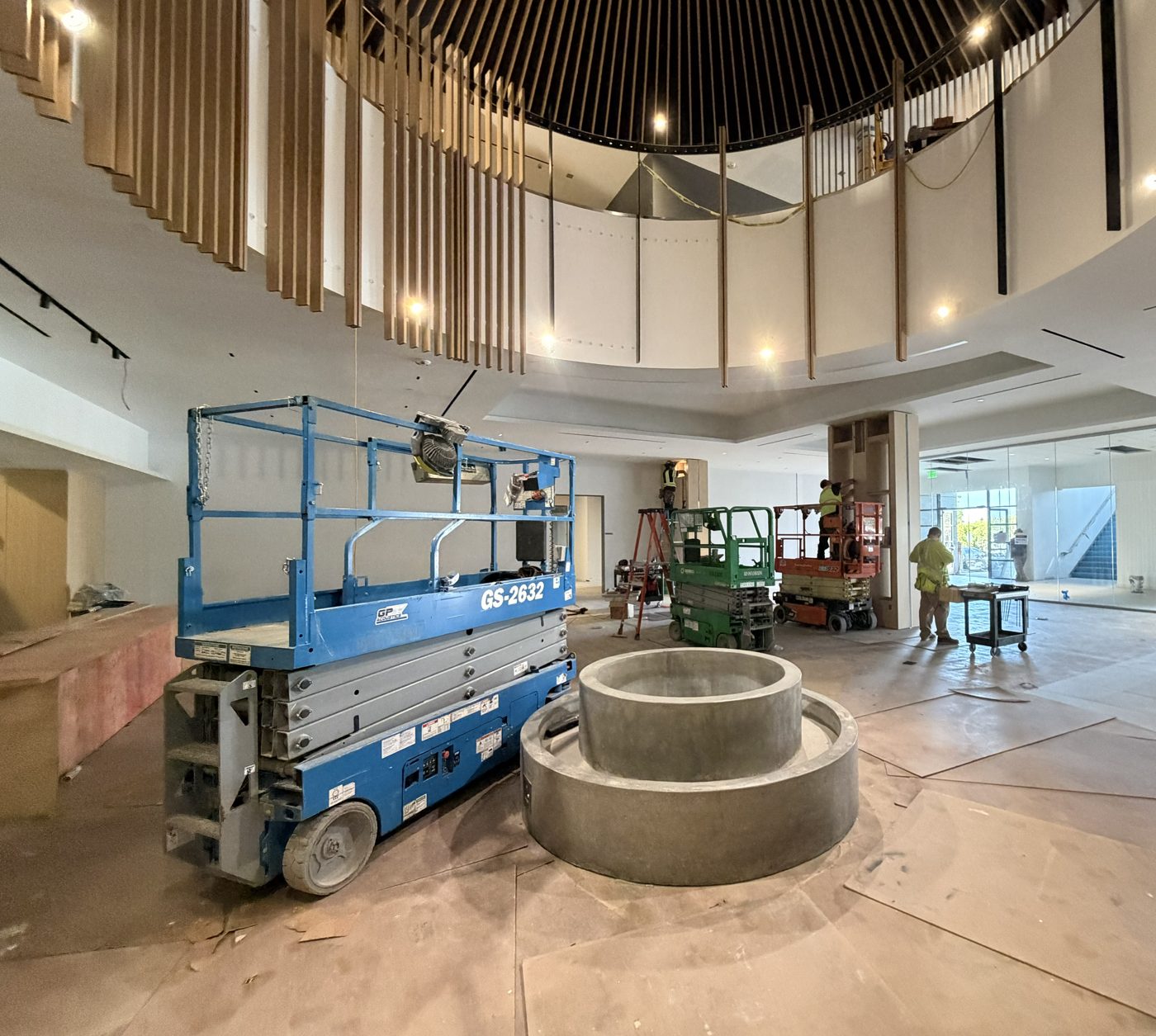
A Partial Asset Disposition lets you deduct the remaining value of building components removed during a renovation — plus the cost of removing and disposing of them — instead of continuing to depreciate an asset that no longer exists.
Under IRS Rev. Proc. 2025-23, PAD is more flexible than it used to be. Previously, deductions were limited to assets removed in the current tax year. Now, owners can go back and elect PAD on previously capitalized improvement projects — capturing deductions that may have been missed in prior years. Pairing a PAD election with an engineering-based cost study ensures the removed components are precisely valued and the deduction is maximized.
Write off the undepreciated basis of retired components as a current-year tax benefit.
Capture PAD on renovations from prior years, not just the current tax year.
Permanently reduces your building's basis, which can also benefit a future sale.
An engineering-based study ensures precise valuation of the removed components and maximizes the combined savings.
Tenants who have left assets behind at lease-end or turnover.
Undertaken replacements, renovations, or improvements to facilities.
Demolished and upgraded a facility, in whole or in part.
Replaced, enhanced, or refurbished major operating equipment components.
Planning to sell within the next two years, especially with significant asset appreciation.
A representative PAD engagement showing cash flow captured at each stage of a renovation.
| Original building | Demolition | Renovation | |
|---|---|---|---|
| Cash flow | $134,718 | $53,279 | $126,243 |
| Total tax savings | $314,240 | ||
A free assessment shows the deductions available on assets you've already removed.
Get a Free ConsultationA PAD lets a building owner deduct the remaining undepreciated basis of an asset removed during a renovation or remodel, along with the costs of removing and disposing of it, instead of continuing to depreciate a component that no longer exists.
Yes. Under IRS Rev. Proc. 2025-23, owners can go back and elect PAD on previously capitalized improvement projects, capturing deductions that may have been missed in prior years.
No, they're complementary. Pairing a PAD election with an engineering-based cost study ensures the removed components are precisely valued, maximizing the deduction.